Pool pumps, filtration and circulation
Pool Pumps, Filtration and Circulation in Zimbabwe
Understand the equipment that moves, cleans and protects swimming pool water in Zimbabwe.
APBZ service guide
A pool system is only as good as its equipment balance
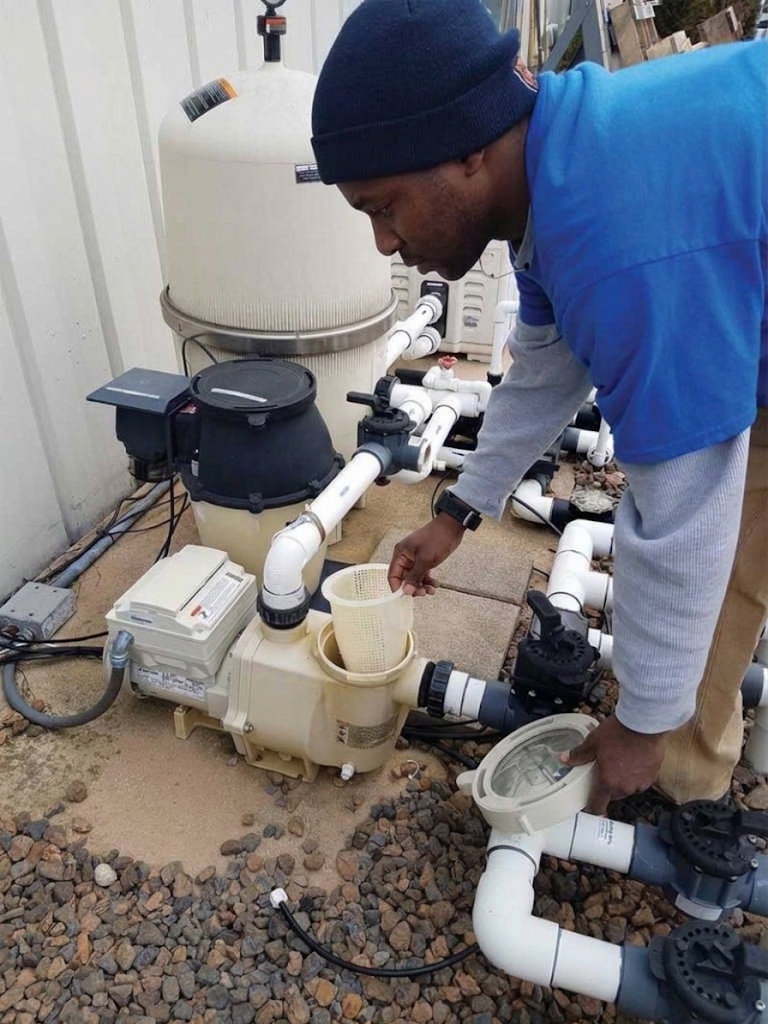
The pump, filter, valves, pipework and returns work together to move and clean the pool water. Choosing one component in isolation can create noise, weak flow, excessive pressure, poor filtration or unnecessary electricity use. A proper assessment starts with pool volume, turnover expectations, pipe sizes, equipment condition and the way the pool is used.
Zimbabwean owners should also consider electricity reliability, replacement-part availability, dust, summer rain, borehole water and the space available for safe plant-room access. Equipment that is efficient on paper still needs to be serviceable locally and operated according to the manufacturer instructions.
Equipment performance should be considered alongside the pool maintenance and water-care programme and water-testing guidance, because circulation and chemistry affect each other.
- Pump capacity and operating schedule
- Filter type, size, pressure and cleaning needs
- Suction, return and equipment-side plumbing
- Flow through skimmers, returns, heaters and features
- Safe isolation, maintenance access and replacement planning
Plan the system as a whole
Pool volume, pipe runs, fittings, filter resistance, water features and heating all affect the required flow. A larger pump is not automatically better: it can increase energy use, noise and pressure while shortening the life of components. Ask for the assumptions behind the recommendation and the normal operating pressure.
Zimbabwe operating considerations
Power interruptions can stop circulation and affect water quality. Ask how timers, backup power or solar support would work with the chosen equipment, and which components can be sourced or serviced without long delays. Keep the plant room dry, ventilated, labelled and accessible.
Document the handover
Request a simple equipment schedule, valve diagram, operating instructions, filter-cleaning procedure, normal pressure reading and maintenance intervals. This information helps owners and future technicians detect changes early.
Frequently asked questions
Frequently asked questions about Pool Pumps, Filtration and Circulation in Zimbabwe
How should equipment be sized for pool pumps, filtration and circulation?
Sizing should consider pool volume, turnover, pipe length, bends, filter resistance, heaters and water features. Motor size alone is not a reliable design method; see pump sizing.
How can I distinguish a filter fault from a circulation fault during pool pumps, filtration and circulation?
A rising pressure after normal operation can indicate a dirty filter, while low pressure, air, loss of prime or weak flow everywhere may involve suction, pump or pipework. Record normal readings before changing parts.
How often should equipment be cleaned or serviced during pool pumps, filtration and circulation?
Clean or backwash according to filter type, pressure rise, water clarity and manufacturer instructions. Cartridge, sand and media systems have different procedures and water requirements.
Can a larger pump solve a problem with pool pumps, filtration and circulation?
Not automatically. A blockage, closed valve, air leak, poor pipe sizing or dirty filter may be the real cause. Diagnose the system first to avoid extra noise, pressure and energy use.
What should be recorded after equipment work related to pool pumps, filtration and circulation?
Keep model numbers, normal pressure and flow, valve positions, schedules, electrical details, cleaning instructions, warranty terms and supplier contacts.
How should Zimbabwean power interruptions affect pool pumps, filtration and circulation?
Discuss timers, safe restart, backup power, solar support and manual operation. Choose equipment that can be serviced locally and do not bypass electrical protection.
Explore related APBZ guidance
Use these related pages to compare options, prepare questions and find accredited professionals for your project.
Swimming pool pump selection and sizing in Zimbabwe
Choose capacity around the real pool and system.
Explore servicePool filter installation, cleaning and replacement in Zimbabwe
Keep filtration effective and serviceable.
Explore servicePool circulation and flow problems in Zimbabwe
Diagnose weak returns, air and uneven movement.
Explore servicePool equipment troubleshooting and upgrades in Zimbabwe
Decide when to repair, replace or improve equipment.
Explore service