Pump and filter connections
Pool Pump and Filter Connections in Zimbabwe
Understand the plumbing between a swimming pool, pump and filter so circulation work is specified and tested correctly in Zimbabwe.
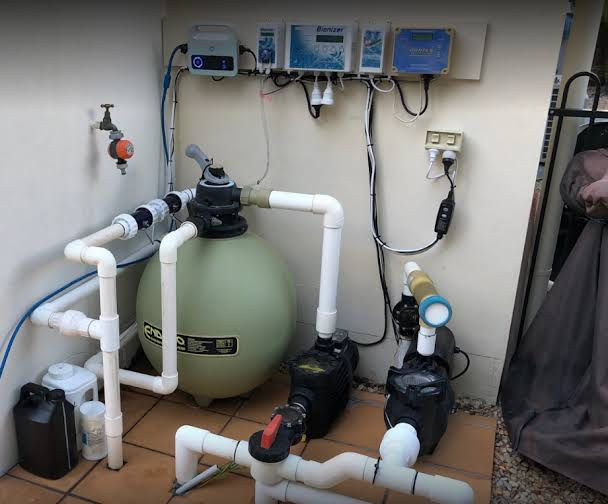
APBZ service guide
Equipment only works when the connections are right
The pump and filter depend on correctly sized, sealed and logically arranged connections. Poor suction plumbing can cause air leaks and loss of prime; restricted lines can reduce flow; incorrect valve positions can send water to the wrong route; and unsupported pipework can stress fittings.
A Zimbabwean equipment room should also be practical to access during power interruptions, cleaning and repairs. Leave enough room to remove baskets, open the filter, operate valves and isolate equipment without damaging surrounding pipework.
When the equipment is working but the pool still loses water, separate connection performance from a suspected leak and follow the water-loss investigation process.
- Confirm suction and return flow direction
- Check unions, seals, valves and flexible connections
- Provide safe isolation before servicing equipment
- Allow access for filter cleaning and basket removal
- Commission the system and confirm normal pressure and flow
Symptoms of connection problems
Air bubbles, noisy operation, low return flow, repeated loss of prime, unusual pressure readings, leaks at unions or a filter that does not perform as expected can all justify inspection. The pump may not be the cause; valves, restrictions, suction leaks and blocked baskets can create similar symptoms.
Power and equipment planning
Where power supply is inconsistent, ask how timers, controls, backup systems or solar support affect the circulation schedule. Any electrical work should be handled safely and coordinated with the plumbing layout. Do not improvise electrical protection around wet equipment.
Commissioning checklist
After changes, confirm valve positions, prime the pump correctly, check for leaks, observe pressure and return flow, inspect the filter and record the normal operating condition. That record helps identify future changes quickly.
Frequently asked questions
Frequently asked questions about Pool Pump and Filter Connections in Zimbabwe
How can I identify abnormal water loss during pool pump and filter connections?
Compare evaporation with the pool covered and equipment isolated, while checking weather, splash-out and backwashing. Persistent unexplained loss needs a structured investigation; see leak detection.
Which symptoms point to a problem with pool pump and filter connections?
Air bubbles, loss of prime, weak returns, unusual pressure, wet ground, noisy suction or repeated chemical problems can point to a leak, restriction, valve issue or damaged line.
Should pool pipework be repaired or replaced during pool pump and filter connections?
It depends on location, material, access, failure pattern and the cost of excavation and reinstatement. A written scope should explain the test evidence and how paving or landscaping will be restored.
Can pump or filter connections affect pool pump and filter connections?
Yes. Incorrect valve positions, blocked baskets, air leaks, undersized lines and poor connections can restrict flow. Check the connection and equipment together before buying a larger pump.
Why do valves, returns and suction lines matter to pool pump and filter connections?
They determine how water moves, how equipment is isolated and how safely the system can be serviced. Label them and record normal positions at handover.
When does pool pump and filter connections require professional testing or repair?
Use a qualified professional for buried leaks, pressure testing, electrical equipment, persistent loss of prime or work that requires excavation near the shell or finished deck.
Explore related APBZ guidance
Use these related pages to compare options, prepare questions and find accredited professionals for your project.
Pool plumbing and leak detection in Zimbabwe
Assess the complete plumbing network.
Explore servicePool pipework and plumbing repairs in Zimbabwe
Repair damaged lines feeding the plant room.
Explore servicePool valves, returns and suction lines in Zimbabwe
Understand the controls around the equipment.
Explore servicePool water testing and chemical balancing in Zimbabwe
Connect circulation performance to water quality.
Explore service