Pool maintenance and water care
Pool Maintenance and Water Care in Zimbabwe
A practical Zimbabwe-focused guide to keeping swimming pools clean, balanced, safe and ready for use.
APBZ service guide
A maintenance plan protects the pool and the investment
Pool maintenance is not only about making the water look blue. Regular cleaning, circulation, inspection and water testing protect the finish, equipment, swimmers and the owner’s budget. In Zimbabwe, a useful plan should reflect the property’s water source, sun exposure, dust, seasonal rain, electricity reliability and how often the pool is used.
Municipal water, borehole water and delivered water can have different characteristics. The maintenance routine should be based on test results and the equipment manufacturer’s instructions rather than guesswork. A professional can help establish a baseline and identify changes before they become stains, scale, algae or equipment damage.
Use this overview alongside the swimming-pool cleaning guide and the water-testing guide when creating a routine for your property.
- Routine surface cleaning, brushing and debris removal
- Filter, pump, skimmer, basket and circulation checks
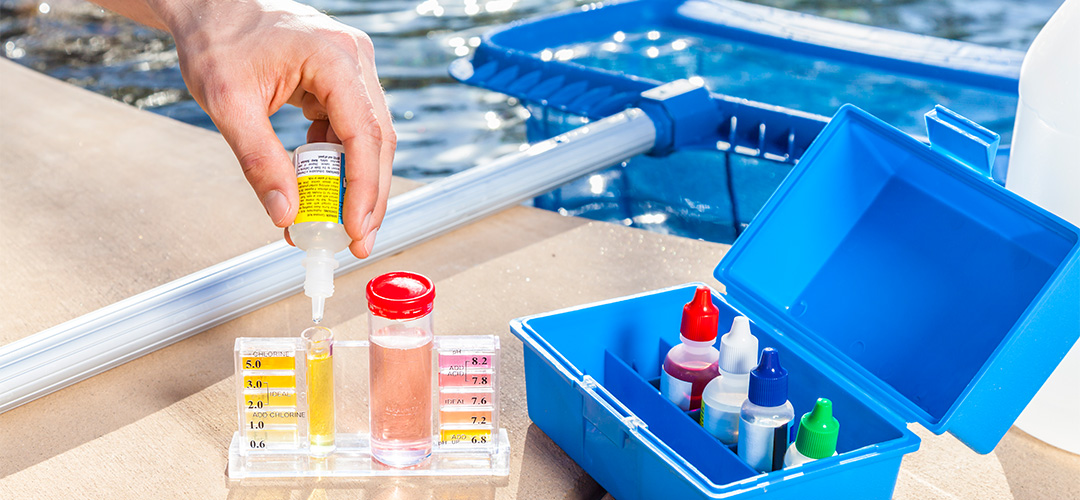
- Water testing and documented chemical adjustments
- Inspection of leaks, fittings, coping, covers and safety equipment
- Seasonal planning for rain, heat, dust and power interruptions
Build a maintenance schedule
Daily or frequent checks may include water level, visible debris, circulation and obvious changes in clarity. Weekly work commonly includes brushing, vacuuming, emptying baskets, checking the filter and recording test results. Periodic professional visits can examine pump seals, valves, pipework, electrical protection, dosing equipment, lights and the pool surround.
Zimbabwe-specific maintenance pressures
Dust and leaves can increase after dry, windy periods, while heavy summer rain can dilute chemicals and introduce dirt or organic material. Long power interruptions can reduce circulation and allow water quality to deteriorate. Ask how the system should be managed during an outage and never compensate for poor circulation by adding chemicals without testing.
Records make maintenance easier
Keep a simple log of test readings, chemical additions, filter cleaning, faults, repairs and unusual water loss. This helps identify trends, supports warranty conversations and gives a technician useful information when the pool changes colour or equipment stops performing.
Frequently asked questions
Frequently asked questions about Pool Maintenance and Water Care in Zimbabwe
How often should pool maintenance and water care be carried out?
It depends on use, trees, dust, storms and the filtration system. Set a routine for skimming, brushing, vacuuming, basket cleaning and filter checks, then increase it after windy weather or heavy use.
Why is water testing important to pool maintenance and water care?
Testing shows whether pH, sanitiser, alkalinity and other conditions are suitable. Clear-looking water is not proof of safe balance; use the water-testing guide.
What should happen after rain or a power cut during pool maintenance and water care?
Remove debris, check water level and circulation, inspect the filter and retest the water before reopening. Do not add chemicals blindly or operate damaged equipment.
How can borehole water affect pool maintenance and water care?
It can. Borehole water may contribute hardness, metals or other minerals, so test the source and monitor staining, scaling and chemical demand rather than assuming it behaves like municipal water.
How should a commercial operator organise pool maintenance and water care?
It should name responsible staff, visit frequency, water-testing records, cleaning tasks, filter work, incident reporting, closure rules, spares and emergency response. See commercial maintenance.
When should a pool be closed during pool maintenance and water care?
Close it when water quality, circulation, electrical safety, barriers or supervision cannot be confirmed. Record the reason and complete a reopening check before allowing use.
Explore related APBZ guidance
Use these related pages to compare options, prepare questions and find accredited professionals for your project.
Swimming pool cleaning in Zimbabwe
Understand the recurring cleaning work a pool needs.
Explore servicePool water testing and chemical balancing in Zimbabwe
Learn why testing should guide chemical treatment.
Explore servicePool opening, closing and seasonal care in Zimbabwe
Plan for changing weather and periods of heavy or low use.
Explore serviceCommercial pool maintenance in Zimbabwe
Manage public-use pools with documented routines.
Explore service