Pool steps, ladders and access systems
Pool Steps, Ladders and Access Systems in Zimbabwe
Choose and maintain pool steps, ladders, handrails and assisted-access features for safe entry and exit in Zimbabwe.
APBZ service guide
Entry and exit should be clear for the people using the pool
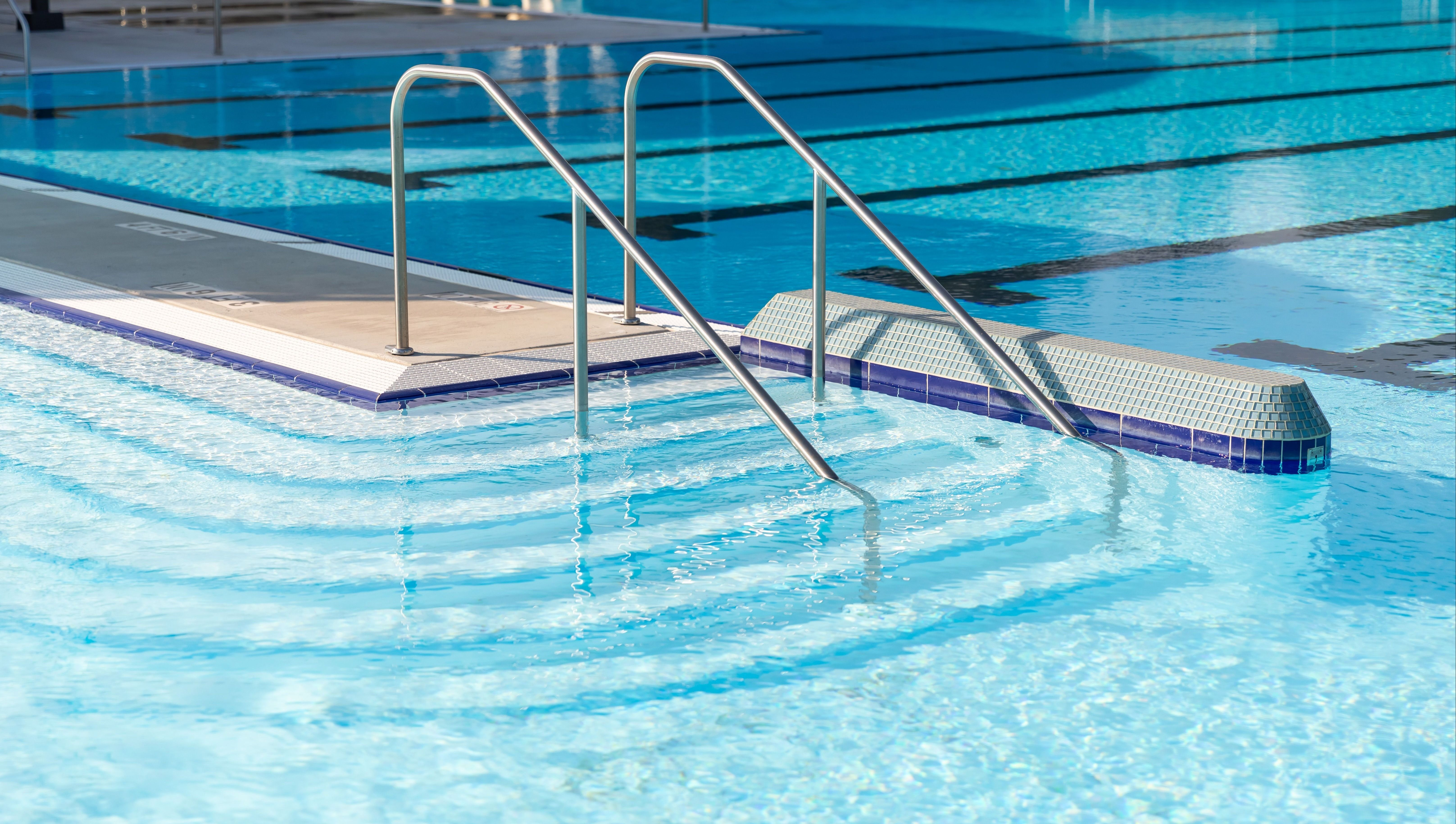
Steps, ladders, handrails, ramps and assisted-access systems need to suit the pool depth, users, deck level and maintenance routine. A young child, older person, swimmer with limited mobility and confident adult may all need different support. The location should be visible, reachable and free from conflict with covers, furniture and circulation equipment.
Zimbabwean projects should also consider strong sun, corrosion, slippery surfaces, power availability for assisted equipment and the availability of replacement parts. Specify fixing methods, load expectations, handrail grip, lighting and how the fitting will be inspected before handover.
If access is being changed during a renovation, include it in the wider renovation scope rather than treating it as a late add-on.
- User needs, water depth and entry location
- Step shape, ladder position and handrail grip
- Slip resistance and clear deck space
- Fixings, corrosion protection and movement
- Lighting, inspection and assisted-access requirements
Design for the actual users
Ask who will enter the pool, whether anyone needs assisted access, how the water depth changes and where a person can pause safely. Steps should be visible and comfortable; ladders and handrails should provide a reliable grip without creating sharp projections or awkward deck congestion.
Fixings and finishes matter
Confirm how fittings are anchored, sealed and protected from corrosion. Loose rails, cracked surrounds, damaged step edges or slippery surfaces should be treated as defects, not cosmetic issues. Keep product information for future replacement.
Inspect before opening
Check the fitting, surrounding deck, lighting, cover clearances and waterline. After heavy rain, building work or a change to the pool edge, repeat the check before allowing normal use.
Frequently asked questions
Frequently asked questions about Pool Steps, Ladders and Access Systems in Zimbabwe
What safety purpose does pool steps, ladders and access systems serve?
No. A cover addresses specific risks and may reduce evaporation or debris, but it does not replace suitable barriers, supervision, safe access, water quality or emergency planning.
What should be checked when inspecting pool steps, ladders and access systems?
Check continuity, gate closing and latching, climbable objects, nearby doors and windows, ground movement, damage and whether furniture or stored materials create a route around the barrier.
How should access systems be selected for pool steps, ladders and access systems?
Match them to depth, users, grip, visibility, deck space and assisted-access needs. Confirm secure fixings, corrosion protection, lighting and clearances from covers and furniture.
What should a lodge or commercial facility record about pool steps, ladders and access systems?
Assign responsibility for opening and closing checks, barriers, water tests, equipment, supervision, incidents, rescue equipment, visitor rules and closure when safety cannot be confirmed.
What changes after a power cut or storm affecting pool steps, ladders and access systems?
Inspect the cover, barrier, deck, lighting, equipment, water level and water quality. Keep the pool closed until circulation, treatment and access controls are confirmed.
Do local safety requirements need to be checked for pool steps, ladders and access systems?
Yes. Local authorities and applicable by-laws may affect construction, fencing, drainage and public use. Obtain project-specific advice rather than assuming one national rule applies everywhere.
Explore related APBZ guidance
Use these related pages to compare options, prepare questions and find accredited professionals for your project.
Pool covers, safety and access in Zimbabwe
Coordinate access fittings with the complete safety system.
Explore servicePool fencing and safety barriers in Zimbabwe
Keep the approach to entry points controlled.
Explore servicePool coping and edge details in Zimbabwe
Resolve fixing, levels and transitions at the edge.
Explore servicePool safety for homes, lodges and commercial facilities in Zimbabwe
Set access checks and supervision expectations.
Explore service