Pool fencing and safety barriers
Pool Fencing and Safety Barriers in Zimbabwe
Plan pool fencing, gates and separation from homes, gardens and guest areas for safer Zimbabwean properties.
APBZ service guide
A barrier should control access consistently
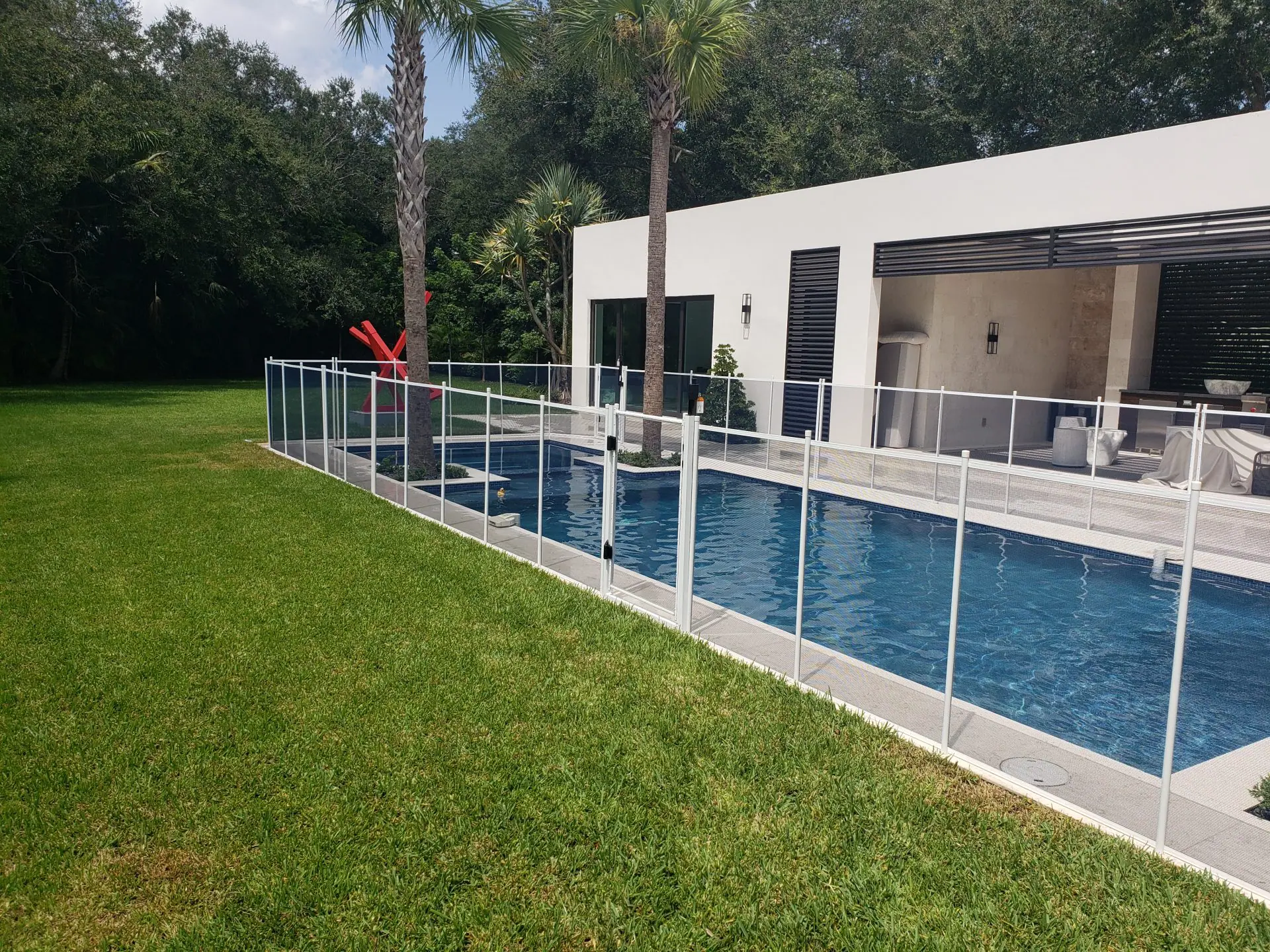
Pool fencing and barriers are intended to separate the water from people who should not enter it without supervision. The design includes more than the fence panels: gate position, self-closing hardware, latch height, nearby furniture, planting, walls, doors and the route from the house all affect whether the barrier works in daily life.
Zimbabwean homeowners, landlords and facility operators should inspect the whole boundary and consider children, visitors, domestic workers, guests and periods when the property is unattended. A visually attractive barrier is not enough if it can be climbed, left open or bypassed through an adjacent structure.
When a new barrier is being added, coordinate its route with deck levels and access routes.
- Continuous separation from the pool area
- Gate position, self-closing action and latch security
- Clear zones free from climbable objects
- Durability, corrosion and ground movement
- Regular inspection and repair responsibility
Inspect the approach, not only the fence
Look for low walls, trees, chairs, bins, pumps, stored materials and raised paving that could allow a child to climb or reach over the barrier. Doors from the home and gates from the garden should be considered as part of the access route.
Gates deserve special attention
Confirm that gates close and latch reliably after ordinary use, including when opened by a visitor carrying something. Check hinges, latches, posts and ground levels after rain or landscaping work. Do not prop a gate open during parties or maintenance.
Commercial settings need written checks
Lodges, clubs, schools and other facilities should assign who checks barriers, records defects, controls access and responds when a barrier cannot be trusted. The pool should be closed if a critical safety feature is missing or damaged.
Frequently asked questions
Frequently asked questions about Pool Fencing and Safety Barriers in Zimbabwe
What safety purpose does pool fencing and safety barriers serve?
No. A cover addresses specific risks and may reduce evaporation or debris, but it does not replace suitable barriers, supervision, safe access, water quality or emergency planning.
What should be checked when inspecting pool fencing and safety barriers?
Check continuity, gate closing and latching, climbable objects, nearby doors and windows, ground movement, damage and whether furniture or stored materials create a route around the barrier.
How should access systems be selected for pool fencing and safety barriers?
Match them to depth, users, grip, visibility, deck space and assisted-access needs. Confirm secure fixings, corrosion protection, lighting and clearances from covers and furniture.
What should a lodge or commercial facility record about pool fencing and safety barriers?
Assign responsibility for opening and closing checks, barriers, water tests, equipment, supervision, incidents, rescue equipment, visitor rules and closure when safety cannot be confirmed.
What changes after a power cut or storm affecting pool fencing and safety barriers?
Inspect the cover, barrier, deck, lighting, equipment, water level and water quality. Keep the pool closed until circulation, treatment and access controls are confirmed.
Do local safety requirements need to be checked for pool fencing and safety barriers?
Yes. Local authorities and applicable by-laws may affect construction, fencing, drainage and public use. Obtain project-specific advice rather than assuming one national rule applies everywhere.
Explore related APBZ guidance
Use these related pages to compare options, prepare questions and find accredited professionals for your project.
Pool covers, safety and access in Zimbabwe
Combine barriers with covers and access planning.
Explore serviceSwimming pool covers in Zimbabwe
Add a cover where it suits the pool and routine.
Explore servicePool safety for homes, lodges and commercial facilities in Zimbabwe
Set inspection and response responsibilities.
Explore servicePool decking, paving and surrounds in Zimbabwe
Keep the surrounding surface safe and uncluttered.
Explore service