Heat-pump pool heating
Heat Pump Pool Heating in Zimbabwe
Assess heat-pump pool heating by climate, pool size, electrical supply, airflow, controls and expected swimming hours in Zimbabwe.
APBZ service guide
Heat pumps provide controlled heating
A pool heat pump transfers heat from outdoor air into the pool water. It can provide more predictable control than solar alone, but its performance depends on air temperature, humidity, airflow, pool cover use, the required temperature and the hours available for heating.
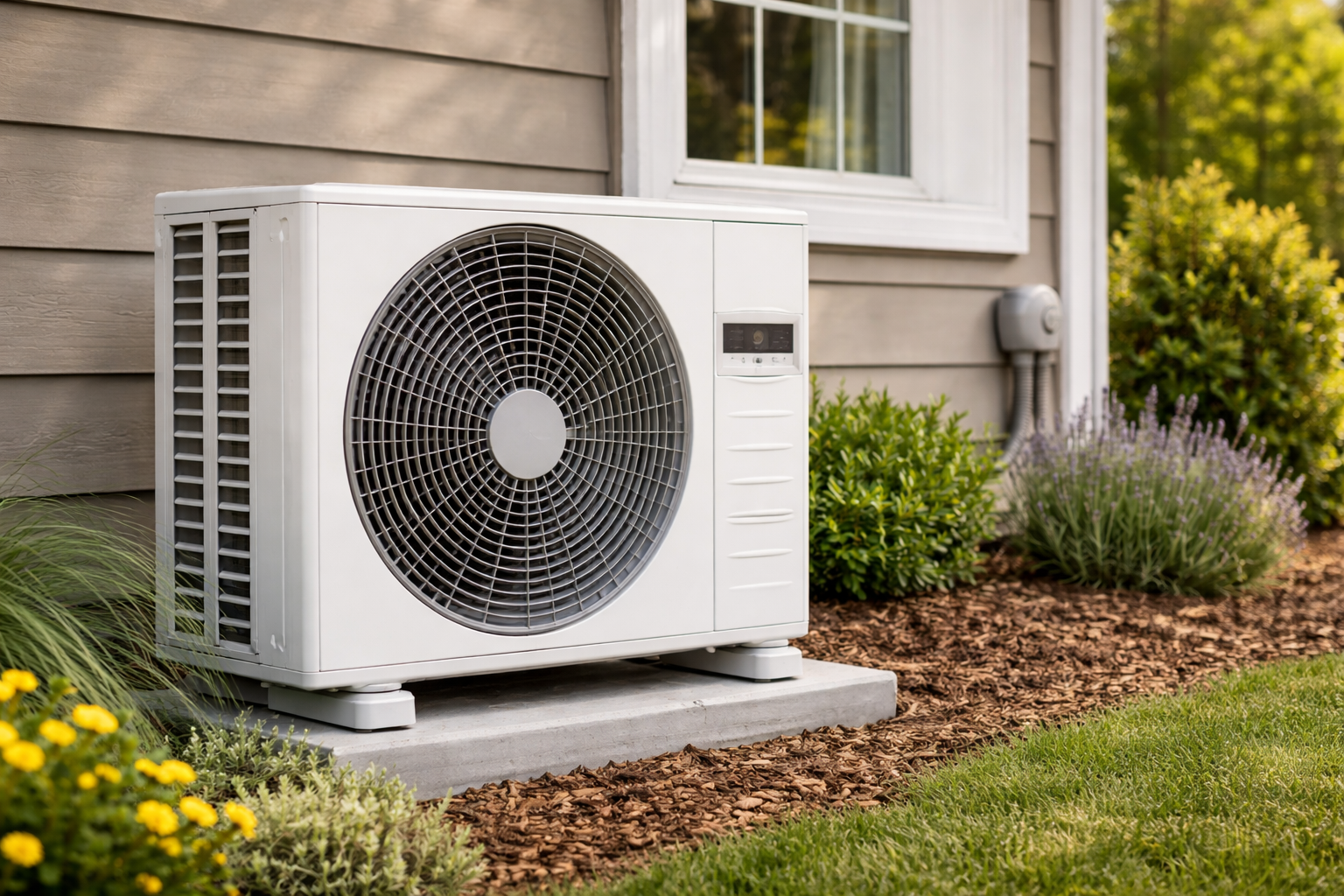
For a Zimbabwean installation, check where the unit will stand, how air will move around it, how condensate will drain and whether the electrical supply can support it. The system also needs suitable flow through the heat exchanger, safe isolation, controls and a service plan. A heat pump should be sized with the pool and heat-loss conditions in mind, not selected only by a large nominal output.
Where a heat pump is being added to an existing pool, inspect circulation and flow before commissioning the heater.
- Pool volume, target temperature and heating season
- Airflow, clearance, noise and condensate drainage
- Electrical supply, protection and control location
- Water flow, bypass and equipment compatibility
- Warranty, refrigerant service and local support
Size around the real operating brief
Explain whether the pool will be heated continuously, brought up to temperature before use, or maintained at a set temperature. A residential pool used at weekends has a different brief from a lodge or training pool used every day. The installer should explain warm-up time and expected performance at cooler conditions.
Installation details matter
Leave the manufacturer clearance around the unit, keep airflow away from walls and vegetation, and provide a safe drainage route for condensate. The plumbing should include a serviceable bypass and isolation arrangement. Electrical work must be completed safely for a wet plant area.
Operating the system
Use a cover when the pool is not in use, schedule heating sensibly and keep filters clean. Record water temperature, operating hours and faults so settings can be improved instead of relying on guesswork.
Frequently asked questions
Frequently asked questions about Heat Pump Pool Heating in Zimbabwe
Which heating approach suits heat-pump pool heating in Zimbabwe?
There is no single answer. Compare solar, heat-pump or hybrid heating against pool size, cover use, wind, target temperature, season, power supply, installation space and local support.
Can solar or heat-pump technology support heat-pump pool heating in winter?
Solar can extend the season, but output varies with sun, shade, cloud and night-time heat loss. A cover and realistic temperature expectations are essential; a heat pump may provide more controlled backup.
How much energy can heat-pump pool heating use?
It depends on pool volume, target temperature, weather, cover use, heater efficiency, operating hours and pump demand. Ask for assumptions behind any savings or payback estimate.
Why is a cover important to heat-pump pool heating?
It reduces evaporation and overnight heat loss, so the heater has less work to do. It also limits debris, but it does not replace fencing, supervision or a complete safety plan.
What must be checked before installing equipment for heat-pump pool heating?
Confirm electrical supply, airflow, clearances, condensate drainage, water flow, bypass valves, plant-room space, noise and service support. The existing pump and filter must be compatible.
What local approvals or electrical checks apply to heat-pump pool heating?
Not necessarily. Zimbabwe has solar water-heating regulations for buildings, but a pool-heating proposal still needs the correct local, electrical and installation checks for the property and system.
Explore related APBZ guidance
Use these related pages to compare options, prepare questions and find accredited professionals for your project.
Pool heating and energy systems in Zimbabwe
Compare heat pumps with solar and hybrid approaches.
Explore serviceSolar pool heating in Zimbabwe
Use solar input where the site allows it.
Explore servicePool energy efficiency and running costs in Zimbabwe
Control the hours and losses that drive cost.
Explore servicePool pumps, filtration and circulation in Zimbabwe
Confirm the water-side equipment can support heating.
Explore service